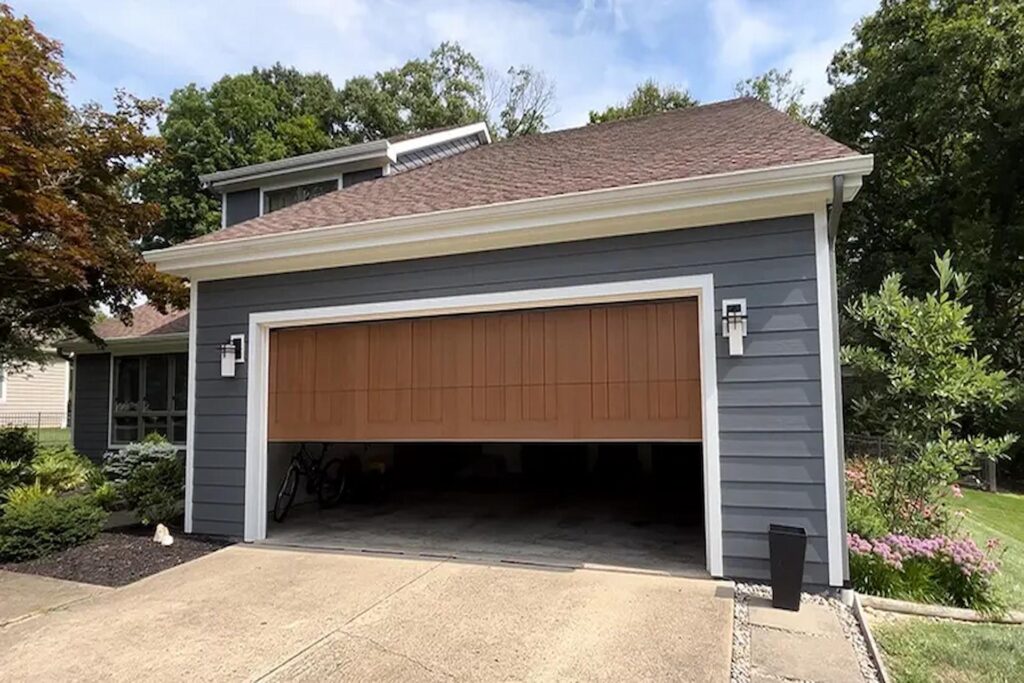
If your garage door closes too quickly or slams shut, it could be more than just an inconvenience—it’s a serious safety concern. Understanding the cause helps you fix the issue before it leads to damage or injury. Let’s explore the reasons, safety risks, and effective repair solutions.
Understanding the Problem
A garage door that shuts too fast often indicates a problem within its balance or spring mechanism. Modern doors are designed to move smoothly, supported by tensioned springs and tracks that manage weight and speed. When these parts fail or lose alignment, the door becomes hazardous.
Such problems can develop gradually, often going unnoticed until the door begins to slam or move unevenly. If ignored, it can strain your opener system and even risk injury.
Common Causes of a Fast-Closing Garage Door
1. Broken or Worn-Out Springs
Torsion or extension springs bear most of a garage door’s weight. When one breaks, the balance is lost, causing the door to drop quickly. These springs are under high tension and should always be replaced by professionals.
2. Faulty Cables
Cables attached to the springs help control movement. Frayed or loose wires can reduce control over speed, leading to an abrupt closure.
3. Malfunctioning Garage Door Opener
Sometimes, the issue lies within the opener’s motor or settings. Modern systems with adjustable force controls can malfunction, requiring garage door opener repairs and replacements to restore proper operation.
In some cases, outdated or worn-out openers fail to manage door weight effectively, resulting in uneven or sudden closure. Regular servicing ensures longevity and safety, making garage door opener repairs and replacements a vital part of maintenance.
How Balance Affects Door Movement
Garage doors work through counterbalance systems. If you lift your door halfway and it falls, it’s unbalanced. A balanced door should remain steady in any position. Poor balance is one of the common garage door problems that increases stress on mechanical parts, causing further wear.
Besides safety risks, an imbalance can damage tracks and panels. Detecting this early helps prevent bigger expenses later, especially when dealing with typical garage door problems like jerky movement or noisy operation.
Safety Implications
A slamming door is more than a nuisance. It poses real hazards:
- Injury risk: A fast-falling door can cause serious injuries.
- Property damage: The sudden impact can break panels or dent vehicles.
- System strain: Over time, repeated slamming weakens the opener and cables.
Installing safety sensors or motion detectors can prevent accidents, ensuring the door reverses automatically if an obstruction is detected.
How to Diagnose the Issue
1. Visual Inspection
Look for broken springs, worn cables, or misaligned tracks. Listen for grinding noises or jerky movements.
2. Manual Test
Disconnect the opener and lift the door halfway. If it drops, the balance is off, and a professional adjustment is needed.
3. Check Opener Settings
Examine force and travel limits on the opener. Incorrect calibration can cause a fast or incomplete close.
Professional vs DIY Repairs
While simple checks are acceptable, adjusting or replacing springs and cables is risky. Professional technicians use specialised tools and safety equipment to prevent accidents.
DIY fixes often worsen issues, especially if the wrong spring tension or opener setting is applied. A qualified repair service ensures precise alignment, correct parts, and full testing before operation.
Preventive Maintenance Tips
Keeping your garage door in good condition doesn’t require constant attention—just smart routine checks:
- Lubricate moving parts every few months.
- Test the door balance twice a year.
- Inspect cables and tracks for fraying or rust.
- Schedule annual servicing for the opener and springs.
These habits reduce future repairs, extend system life, and improve safety.
When to Replace the System
Sometimes, replacement is more cost-effective than repeated repair. If your door or opener is over 15 years old, upgrading to a modern, energy-efficient model with advanced safety features is wise.
New systems offer better insulation, quieter operation, and intelligent controls—benefits worth considering if you experience frequent issues.
Final Thoughts
A garage door that closes too fast isn’t just inconvenient—it’s a warning sign. Prompt attention can prevent costly damage and ensure your family’s safety. Whether it’s spring tension, cable wear, or opener malfunction, professional servicing is the safest route to restore reliable performance.