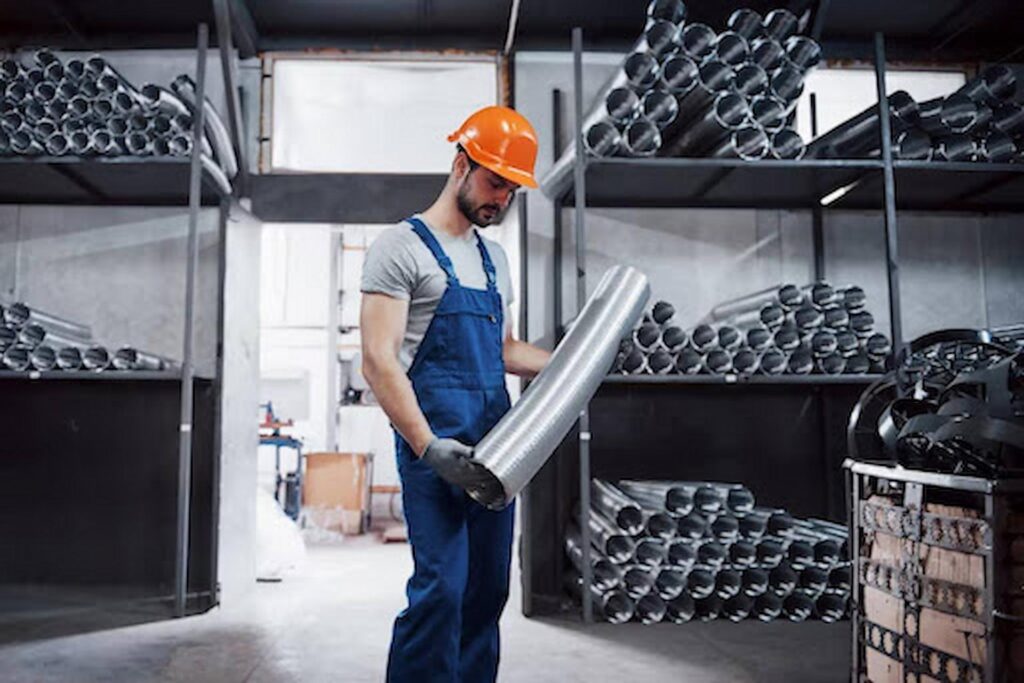
Selecting the right equipment is a key part of managing any successful construction project. The machinery used on-site can influence productivity, safety, project timelines, and overall costs. Choosing suitable equipment before work begins helps ensure that tasks are completed efficiently and without unnecessary delays.
Many construction companies consider solutions such as plant hire Buckinghamshire when they need reliable machinery for different types of projects. Hiring suitable equipment allows businesses to access the tools they need without the long-term commitment of ownership, making it a practical option for many construction requirements.
Understanding Your Project Requirements
Every construction project has different needs, and equipment selection should begin with a clear understanding of the work involved. Factors such as project size, ground conditions, materials, and expected workload all play an important role in deciding which machinery will provide the best results.
Careful planning helps avoid choosing equipment that is unsuitable for the task. Construction managers should review the project scope, identify essential machinery, and consider how each piece of equipment will contribute to completing the work efficiently.
Choosing Equipment Based on Efficiency and Performance
The right equipment can improve productivity by helping workers complete tasks more quickly and accurately. Whether a project involves excavation, lifting, material handling, or site preparation, selecting machinery designed for specific tasks can make daily operations smoother.
Access to services such as plant hire Buckinghamshire gives construction teams flexibility when they require specialist machinery for short-term projects. This approach allows businesses to match equipment choices with project demands while maintaining better control over resources.
Factors to Consider Before Hiring Construction Equipment
Before selecting machinery, it is important to evaluate several practical factors. The wrong equipment choice can lead to delays, increased costs, and challenges during the construction process. A detailed assessment helps ensure the selected machinery supports the project effectively.
Important considerations include:
- The type and scale of the construction work
- Equipment size and suitability for the site
- Operator requirements and safety considerations
- Availability and maintenance condition of machinery
Taking these factors into account helps construction teams make informed decisions and avoid issues that could affect project progress.
Benefits of Using the Right Machinery
Using suitable equipment can improve the overall workflow of a construction project. Proper machinery reduces the need for excessive manual effort and allows teams to complete demanding tasks with better control and accuracy.
Well-selected equipment can also support safer working conditions. Machinery designed for specific applications helps reduce unnecessary risks while allowing workers to focus on completing their responsibilities effectively.
Improving Project Planning Through Equipment Choices
Equipment selection should be included as part of the early planning process rather than being considered only when work begins. Early decisions allow construction teams to organise schedules, prepare site areas, and ensure machinery is available when required.
A well-planned equipment strategy can help prevent interruptions during important stages of construction. By understanding project requirements in advance, businesses can create a smoother workflow and maintain better control over deadlines.
Balancing Cost and Quality When Selecting Equipment
Budget is an important consideration for every construction project, but equipment decisions should not be based only on the lowest available cost. Choosing reliable machinery that suits the job can provide better value by supporting efficient operations and reducing potential problems.
Hiring equipment can be a useful approach for projects that require specific machinery for limited periods. It provides access to professional-grade equipment while allowing businesses to manage their budgets more effectively.
Conclusion
Smart equipment selection plays an important role in achieving successful construction project outcomes. By understanding project needs, assessing available options, and choosing suitable machinery, construction teams can improve efficiency and maintain better control over their work.
Careful planning and informed equipment decisions help create a more organised construction process. Investing time in selecting the right machinery can support safer operations, improved productivity, and smoother project completion.