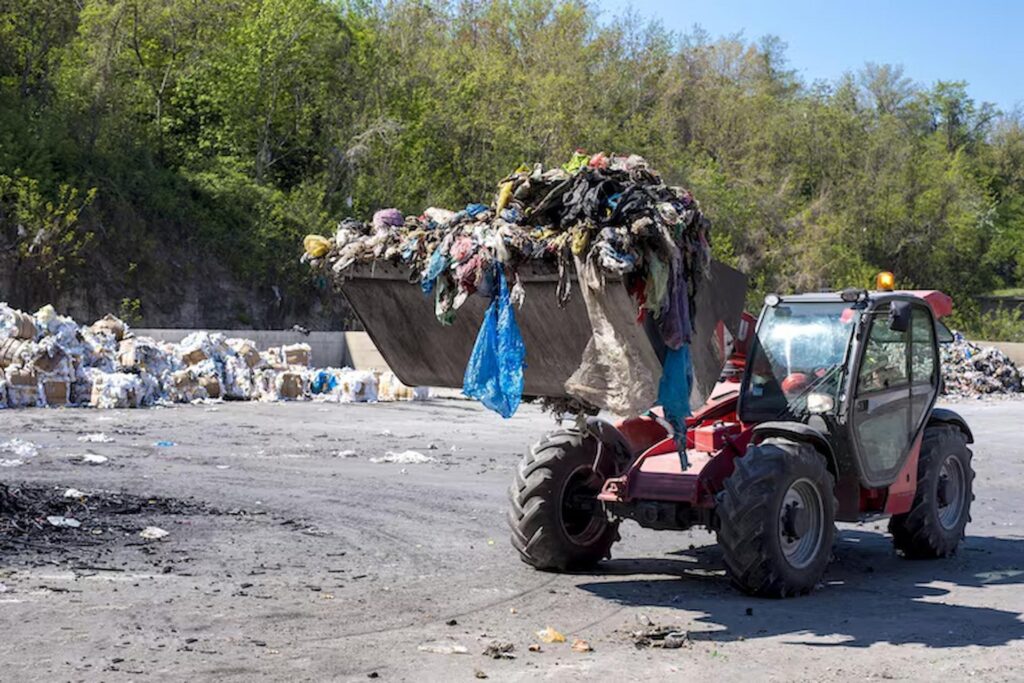
Sustainable packaging is becoming an important consideration for small retailers looking to reduce unnecessary waste and make more responsible business decisions. Traditional plastic packaging may be convenient and affordable, but its environmental impact has encouraged businesses to consider alternatives that are practical, attractive and suitable for everyday retail operations.
Switching to twisted handle paper bags is one practical option for retailers replacing conventional plastic carrier bags. These bags combine a familiar paper construction with comfortable handles and can accommodate printed branding. Alongside other packaging changes, they can help businesses reduce their reliance on disposable plastic without compromising everyday customer convenience.
Why Sustainable Packaging Matters for Small Retailers
Packaging plays an important role in protecting products, presenting purchases and creating a positive customer experience. However, unnecessary materials and excessive wrapping can contribute to waste and increase operating costs.
For smaller businesses, sustainable packaging does not necessarily require a complete operational overhaul. Reviewing existing materials and replacing unsuitable packaging gradually can make the transition more manageable.
Retailers should also consider the entire packaging lifecycle, including raw materials, manufacturing, transport, reuse and disposal. Paper, cardboard and reusable fabrics can be useful alternatives, but their environmental performance depends on how they are produced and used.
Replace Plastic Carrier Bags With Paper Alternatives
Plastic carrier bags are among the most obvious packaging items retailers can reconsider. Paper bags provide a familiar alternative for many clothing shops, gift retailers, independent boutiques and other small businesses.
Kraft paper bags are available in different sizes and designs, including flat-handle and twisted-handle styles. Brown and white kraft finishes can also support simple branding without requiring elaborate printing.
When selecting paper bags, retailers should consider the weight, dimensions and shape of their products. Strong handles, suitable paper thickness and sufficient space are important for carrying purchases securely.
Paper packaging should not automatically be treated as environmentally superior in every situation. Responsible sourcing, the amount of material used and opportunities for reuse all influence its overall impact.
Switch to Recyclable Cardboard Packaging
Cardboard boxes offer an alternative to certain forms of plastic packaging, particularly for retailers shipping products or preparing delicate purchases.
Corrugated cardboard provides cushioning through its layered construction, while folding cartons can be useful for lightweight retail goods. Choosing correctly sized boxes reduces empty space and the need for additional protective materials.
Retailers should favour packaging that customers can easily separate and recycle. Unnecessary plastic coatings, mixed-material components and decorative finishes may complicate recycling.
For businesses sending regular parcels, reviewing box dimensions can also help reduce storage requirements and avoid excessive packaging material.
Consider Paper-Based Protective Packaging
Protective packaging is essential for preventing damage during handling and delivery. Replacing plastic bubble wrap or foam should involve checking whether alternative materials provide suitable protection.
Recycled paper padding, corrugated paper wraps and paper-based void fill are options worth considering. Their suitability depends on the product’s weight, fragility and transportation conditions.
A packaging supplier can advise on material strength and protective performance. Testing different arrangements before purchasing large quantities helps retailers avoid unnecessary damage, replacements and additional waste.
Choose Packaging That Supports Your Brand
Sustainable packaging should also complement a retailer’s visual identity. Simple colours, readable logos and appropriately sized bags can create a professional presentation without excessive decoration.
This consideration is particularly relevant to specialist homeware and design businesses. Retailers targeting searches such as interior design Dubai may want packaging that reflects the presentation standards of their products.
For brands operating in the interior design Dubai market, understated paper packaging can complement decorative accessories and home furnishings. Businesses using interior design Dubai in their marketing should still prioritise packaging durability, responsible material choices and customer convenience over appearance alone.
Practical Steps for Making the Switch
Introducing sustainable packaging gradually allows retailers to monitor costs, customer feedback and operational requirements before making permanent changes.
A straightforward transition plan can include:
- Audit existing packaging: Identify plastic bags, wrapping materials and unnecessary packaging components.
- Prioritise easy replacements: Begin with products that do not require specialist protective packaging.
- Check supplier information: Request details about recycled content, material sourcing and disposal guidance.
- Test packaging strength: Confirm that bags and boxes can support typical product weights.
- Review ordering quantities: Avoid purchasing more packaging than the business can reasonably use.
- Train employees: Explain appropriate packaging choices and how to reduce unnecessary materials.
These steps help retailers make informed decisions while maintaining efficient daily operations.
Balance Sustainability With Packaging Costs
Sustainable alternatives may have different purchase prices, storage requirements and minimum order quantities. Comparing the price of individual bags alone may not provide a complete picture.
Retailers should consider printing expenses, delivery charges, product protection and packaging wastage. Ordering large quantities can sometimes reduce the unit cost but may create unnecessary stock.
It is also worth reviewing whether every purchase requires a bag. Encouraging customers to use existing bags can reduce packaging consumption and ongoing expenditure.
Avoid Common Packaging Mistakes
One common mistake is assuming that every paper product is automatically recyclable or compostable. Coatings, adhesives and decorative finishes can affect disposal options.
Another is selecting packaging based entirely on appearance. Attractive bags that tear easily or fail to protect products can cause customer dissatisfaction and additional waste.
Retailers should avoid broad environmental claims without supporting evidence. If suppliers describe packaging as recyclable, biodegradable or responsibly sourced, request clarification about the relevant materials and conditions.
When to Seek Professional Packaging Advice
Professional guidance can be valuable when retailers handle fragile, heavy or unusually shaped products. Packaging suppliers can provide information about paper grades, dimensions, printing methods and suitable construction.
Businesses making environmental claims should also check applicable UK advertising and packaging requirements. Accurate wording and reliable supplier documentation help prevent misleading information.
Conclusion
Replacing unnecessary plastic packaging is a practical way for small retailers to reduce waste and improve their environmental practices. For businesses operating in the interior design Dubai market, paper carrier bags, recyclable cardboard and responsibly sourced packaging materials can also support a professional brand presentation.
The most effective starting point is to assess current packaging, test suitable alternatives and choose materials that balance protection, cost and responsible disposal. Small, consistent improvements can support long-term progress without disrupting everyday retail operations.
Remove the unrelated Dubai keyword section Add a stronger retailer-focused action plan.