Installing a single panel radiator correctly is key to achieving the best heat output and energy efficiency. This guide covers practical tips on placement, preparation, and installation so you can enjoy reliable warmth in your home for years to come.
Choosing the right location for your single panel radiator is just as important as the installation process itself. The placement determines how well heat is distributed across the room and how quickly it reaches a comfortable temperature.
Ideally, a radiator should be placed on the coldest wall in the room. This is often an external wall where cold air naturally enters. By positioning the radiator here, warm air rises and circulates more effectively, reducing cold spots.
Another good spot is underneath a window. This helps counteract draughts by creating a barrier of warm air. Just ensure curtains or blinds do not block the heat flow, as this can reduce performance.
Preparing for Installation
Preparation ensures the installation goes smoothly and the radiator works at maximum efficiency from day one. Before fitting a single panel radiator, check that the wall is strong enough to support it. Internal stud walls may need extra reinforcement.
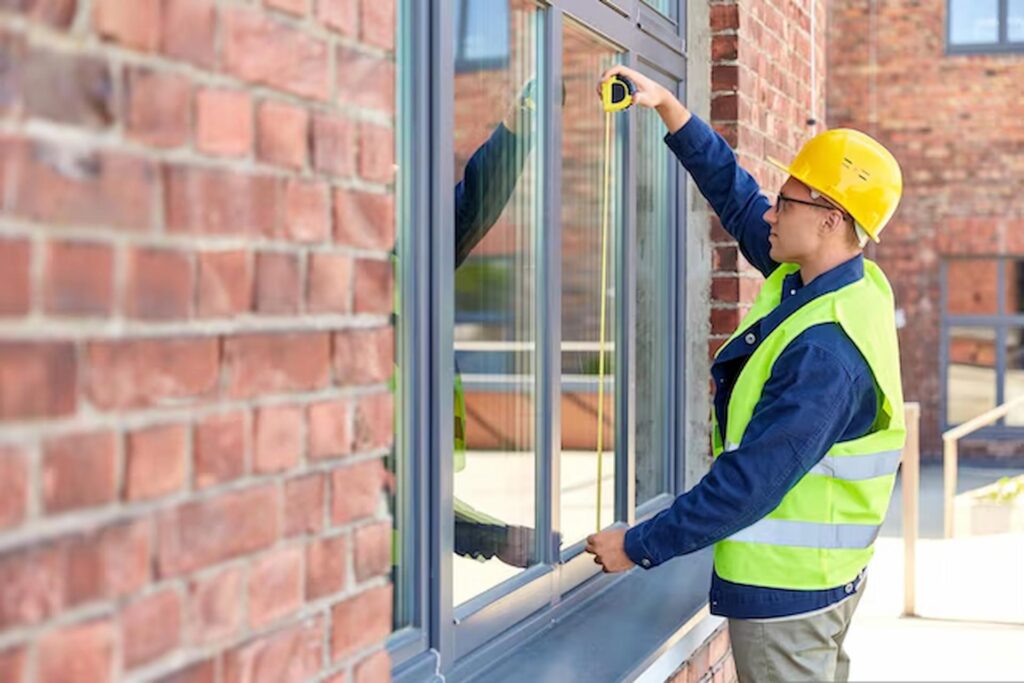
You should also measure the space carefully to make sure the radiator fits without obstructing furniture or walkways. A little planning will prevent awkward placements that affect both comfort and room design.
Key preparation steps include:
- Turning off the central heating system before starting work
- Draining the existing system to avoid leaks
- Checking the pipework position to match the radiator inlets
Height and Positioning Guidelines
The height at which you install the radiator makes a big difference to heat flow. As a general rule, the bottom of the radiator should be at least 100–150mm above the floor. This gap allows warm air to circulate efficiently.
In the middle of the wall space, leave enough clearance on all sides so heat can spread evenly. Avoid placing the radiator behind large furniture such as sofas or cabinets. These can trap heat and make the room feel colder.
The Importance of Secure Fixing
Even though a single panel radiator is lighter than a double panel model, it still requires proper, secure mounting to ensure safety and efficiency. Always use the brackets supplied with the radiator and make sure they are firmly fixed into solid masonry or reinforced studs for stability.
Before tightening the fittings, check that the radiator is entirely level. A slight tilt can cause air to become trapped inside, leading to uneven heating and reduced performance.
Key tips for secure fixing:
- Use only the manufacturer-supplied brackets for correct support
- Ensure fixings are anchored into strong masonry or reinforced studs
- Double-check the radiator is level before securing
- Avoid over-tightening to prevent damage to fittings
Connecting the Pipework
When connecting your new radiator to the heating system, precision matters. Ensure all joints are tight, but avoid over-tightening as this can damage the fittings. If you’re not confident with plumbing, it’s best to hire a qualified professional.
After connecting the radiator, bleed it to remove any trapped air. This ensures the water flows freely and the entire panel heats evenly.
Avoiding Common Mistakes
Many homeowners make small but costly mistakes when installing their radiators. To get the best results, avoid the following:
- Placing radiators in poorly ventilated corners
- Installing without checking wall strength
- Forgetting to bleed the radiator after installation
- Blocking the radiator with heavy curtains or large furniture
By steering clear of these errors, you’ll maintain a steady and comfortable indoor temperature all year round.
Maximising Heat Output
Once your radiator is installed, there are simple ways to keep it running efficiently:
- Keep it free from dust, which can block heat flow
- Check for cold spots and bleed if necessary
- Schedule annual system servicing to keep performance high
Using reflective panels behind the radiator can also help by directing more heat into the room rather than letting it escape through the wall.
When to Call a Professional
While some confident DIY enthusiasts can fit a radiator themselves, there are times when professional help is essential. If you need to alter pipework, connect to a pressurised system, or upgrade your boiler controls, it’s safer to hire a heating engineer.
A professional can also ensure the radiator is positioned for optimum efficiency, in line with your heating system’s design.
Final Thoughts
A single panel radiator is a sleek, efficient choice for modern homes, but correct installation and placement are vital to get the most from it. By planning the location carefully, preparing the space, and avoiding common mistakes, you’ll enjoy better heat distribution and lower energy bills.
When in doubt, rely on a qualified installer to ensure your radiator works at its full potential for years to come.